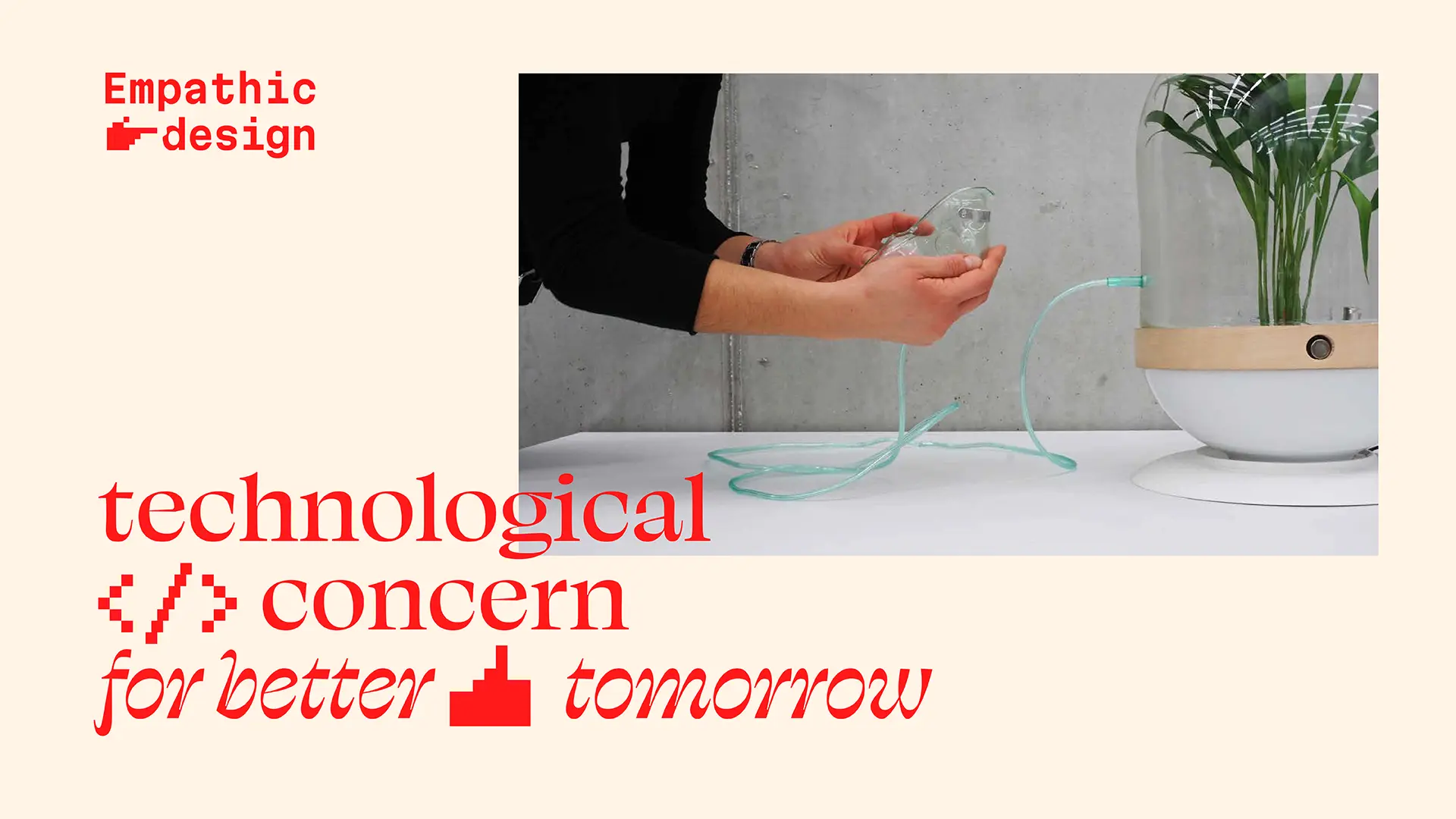
Combining the concept of empathy with new technologies is undoubtedly controversial, sparking numerous debates today. The expansion of technology, particularly the rise of artificial intelligence, presents both significant benefits and potential threats to humanity. While techno-evolution offers promising advancements, public discourse often centers on the bleak vision of our future, with concerns about the collapse of human values, environmental degradation, and the potential loss of control over civilization.
Offsetting these concerns with the benefits of using technology is one of the critical social challenges of our time. Striking a balance between the benefits of a digitalized world and maintaining a humanistic, socio-environmental approach is essential. Achieving this balance requires thoughtful and ethical technological usage and development, along with a recognition that empathy must extend to both the digital and physical realms.

Mateusz has loved new technology forever. When he was 3, in 1990, he watched his sister and dad playing games, in 1993 he decided he would “make games” for a living and started learning programming at 11. He started professional software development career in 2007. He did software development, project management, and product management in small and successful startups, medium companies, and huge corporations.
5 years ago, Mateusz was tired of creating software for 15+ years and started learning electronics and 3D printing. It turned out that creating simple electronics is surprisingly simple and accessible, but programming electronics is somewhat hard. Having a lot of experience with software development, Mateusz is convinced that it’s possible to make software tools that will allow people with no technical background to create advanced devices like robots, toys, or interactive art installations.
2.5 years ago, he decided to quit the software development industry and focus 100% on the mission to build tools for non-technical creators and children, helping them create advanced devices. Last year, he met Dominika and Ola, who work at Mindful Design Studio. The studio was looking for someone to help non-technical designers create electronic devices, which is a great fit for Mateusz’s mission. He started working there and helps students create technology, and teaches them electronics and programming.
Website
empathicdesign.eu
www.asp.wroc.pl
Facebook
www.facebook.com/EmpathicDesign
Combining the concept of empathy with new technologies is undoubtedly controversial, sparking numerous debates today. The expansion of technology, particularly the rise of artificial intelligence, presents both significant benefits and potential threats to humanity. While techno-evolution offers promising advancements, public discourse often centers on the bleak vision of our future, with concerns about the collapse of human values, environmental degradation, and the potential loss of control over civilization.
Offsetting these concerns with the benefits of using technology is one of the critical social challenges of our time. Striking a balance between the benefits of a digitalized world and maintaining a humanistic, socio-environmental approach is essential. Achieving this balance requires thoughtful and ethical technological usage and development, along with a recognition that empathy must extend to both the digital and physical realms.
Mateusz has loved new technology forever. When he was 3, in 1990, he watched his sister and dad playing games, in 1993 he decided he would “make games” for a living and started learning programming at 11. He started professional software development career in 2007. He did software development, project management, and product management in small and successful startups, medium companies, and huge corporations.
5 years ago, Mateusz was tired of creating software for 15+ years and started learning electronics and 3D printing. It turned out that creating simple electronics is surprisingly simple and accessible, but programming electronics is somewhat hard. Having a lot of experience with software development, Mateusz is convinced that it’s possible to make software tools that will allow people with no technical background to create advanced devices like robots, toys, or interactive art installations.
2.5 years ago, he decided to quit the software development industry and focus 100% on the mission to build tools for non-technical creators and children, helping them create advanced devices. Last year, he met Dominika and Ola, who work at Mindful Design Studio. The studio was looking for someone to help non-technical designers create electronic devices, which is a great fit for Mateusz’s mission. He started working there and helps students create technology, and teaches them electronics and programming.
Website
empathicdesign.eu
www.asp.wroc.pl
Facebook
www.facebook.com/EmpathicDesign

